Five Steps to Prepare for an EHR Downtime Event
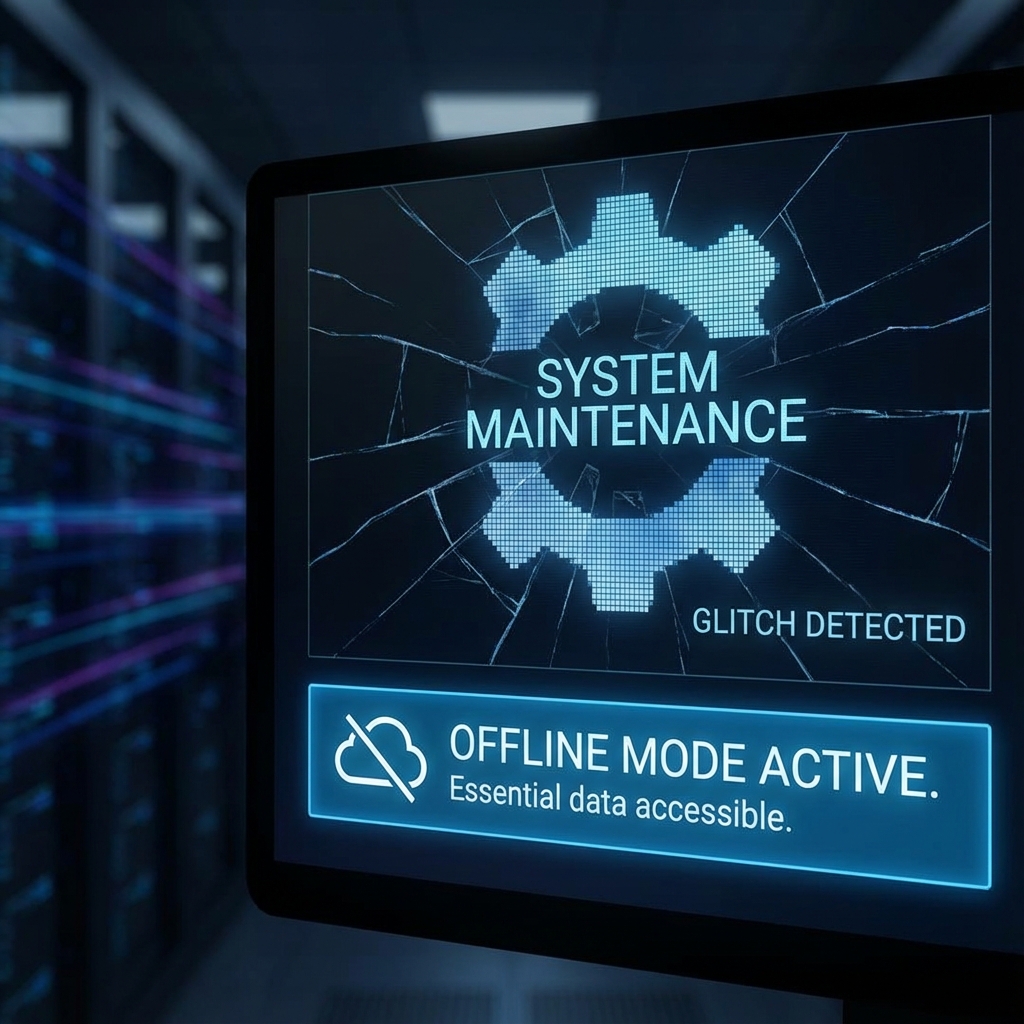
A practical starting point for hospital teams preparing to protect patient care when clinical systems are unavailable.
Downtime readiness is not a document that lives on a shelf. It is the ability for clinical, operational, and IT teams to continue safe work when the systems they depend on are unavailable.
1. Define who activates the plan
Assign clear ownership for declaring downtime, communicating the decision, and coordinating recovery. Every department should know who to call and what to do first.
2. Practice the workflows that matter most
Prioritize patient identification, medication administration, orders, documentation, laboratory work, and handoffs. A short, focused drill will reveal more than a long policy review.
3. Keep critical information available offline
Teams need a safe, current way to access essential records and capture new information while systems are down. Build that path before an incident, not during one.
Prepared teams protect time, clarity, and patient safety when the unexpected happens.
4. Plan the return to normal
Recovery includes reconciliation: entering or validating the information captured during downtime, resolving exceptions, and confirming that every patient record is complete.
5. Improve after every drill
Record what slowed the team down, assign an owner to each improvement, and test the updated process. Readiness improves through repetition.